
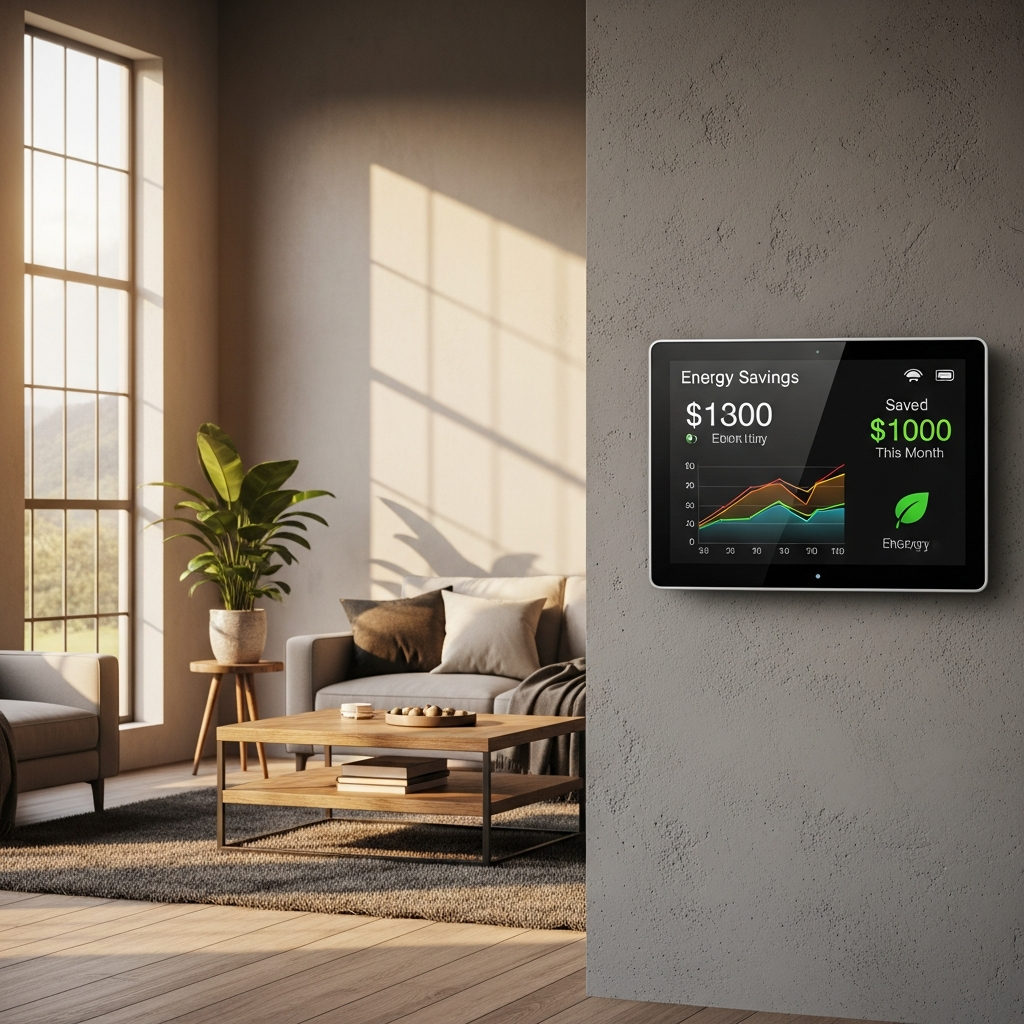
Let's skip the generic advice you've seen a hundred times ("turn off lights when you leave a room!") and talk about the things that actually move the needle on your energy bill. As HVAC professionals, we see the inside of hundreds of homes a year across DeKalb, Allen, and Noble counties. We know what wastes energy in real houses — not theoretical ones.
Your air filter is probably the problem
We mention this constantly because it constantly matters and people constantly forget. A clogged air filter costs you money every single day it's in your system.
Here's the math: a dirty filter can reduce your system's airflow by 50% or more. Your blower motor responds by drawing more electricity to compensate. Your furnace or AC runs longer to reach the set temperature. You're paying more for less comfort.
We've measured the difference. A customer in Waterloo had us out because their AC couldn't keep the house below 78°F on a 90°F day. Their filter was so packed it was bowing inward from the suction. We put in a new $12 filter and the system was hitting 72°F within two hours. Their next month's electric bill dropped $45.
Change your filter every 1-3 months. If you have pets, lean toward monthly. Set a reminder on your phone. It's the best return on investment in your entire house.
Seal air leaks (the real ones, not the obvious ones)
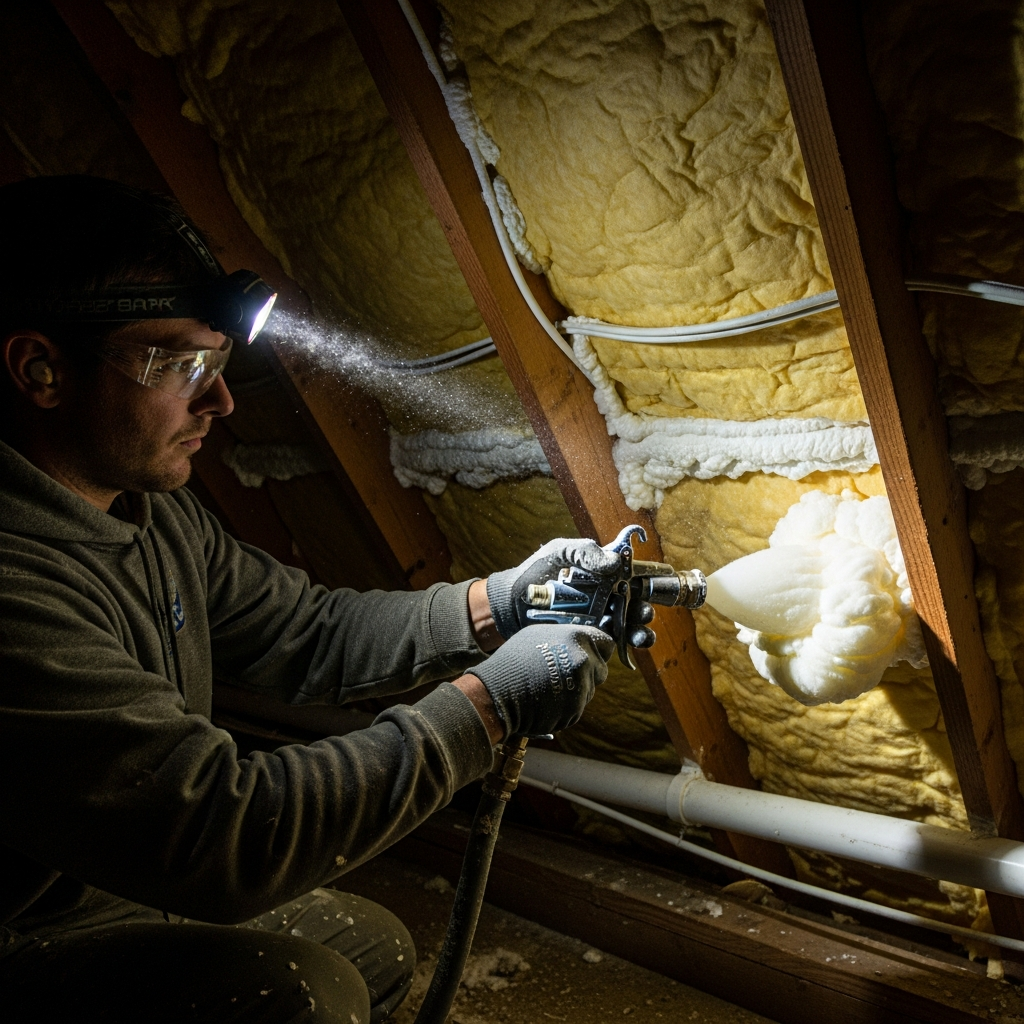
Everyone knows about weatherstripping doors and windows. That stuff matters, but the biggest air leaks in most homes are in places you never look.
The attic is usually the worst offender. Warm air rises, finds gaps, and pours into your attic. Common leak points:
- Where plumbing stacks and electrical wires penetrate the attic floor — these holes are often completely unsealed
- Recessed (can) lights that aren't IC-rated — each one is essentially an open hole to the attic
- The gap around your attic hatch or pull-down stairs
- Where interior walls meet the attic floor — builders often leave gaps in the top plates
A few cans of expanding spray foam ($5 each) and an afternoon in your attic can cut your heating costs by 10-20%. Wear a dust mask, bring a headlamp, and seal every hole you can find where air could pass between your living space and the attic. This is the single most cost-effective energy improvement for most homes.
The basement and crawl space are next. Check where the sill plate (the wood that sits on top of the foundation) meets the concrete. In older homes around Spencerville and Garrett, these joints are often barely sealed. A bead of caulk along this seam can make a noticeable difference.
Your thermostat habits matter more than your thermostat brand
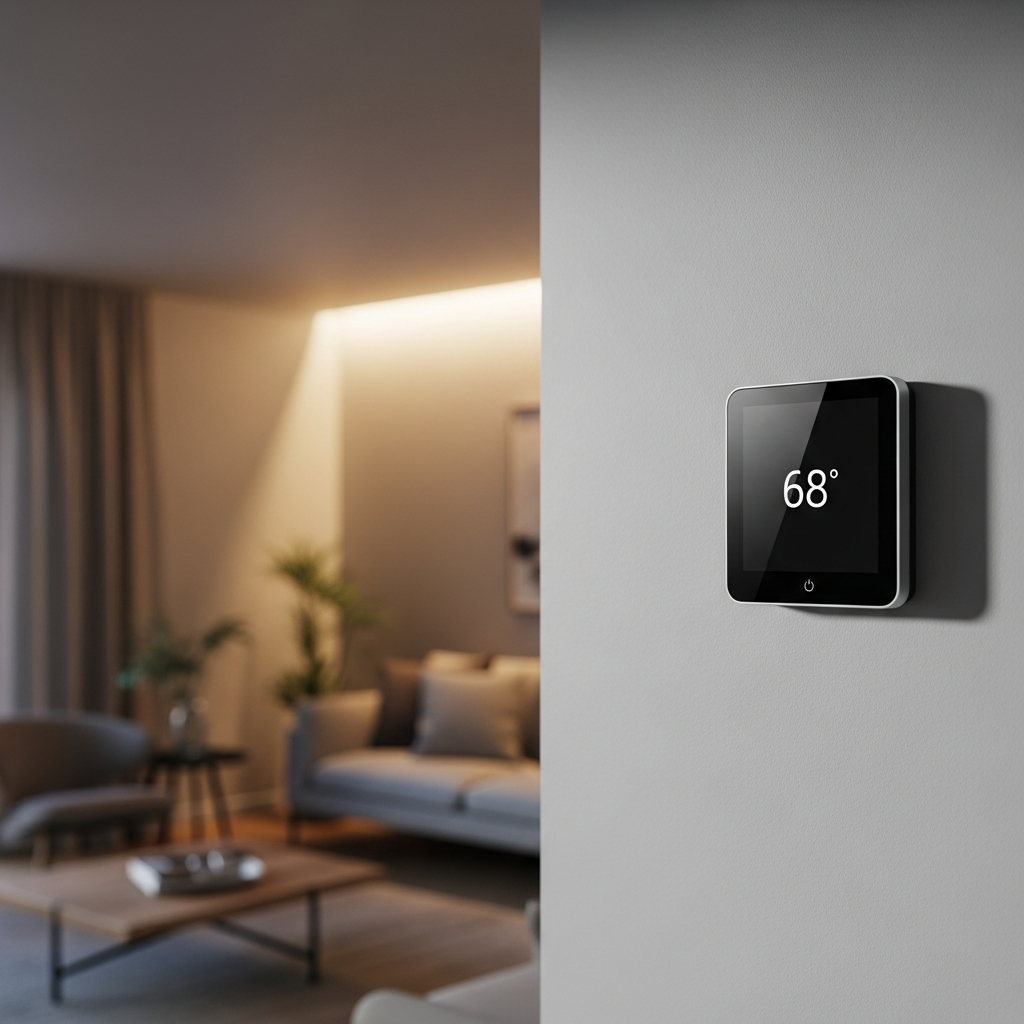
A $250 Nest thermostat set to 74°F all day will use more energy than a $30 programmable thermostat set properly. The brand doesn't save energy — the schedule does.
Here's what the data actually shows:
- Setting your thermostat back 7-10°F for 8 hours a day saves roughly 10% per year on heating and cooling
- The optimal comfort-vs-cost setup for most families: 68°F when you're home and awake, 62°F when sleeping, 60°F when nobody's home
- "But it takes more energy to reheat the house!" — this is a myth. The energy saved during the setback period always exceeds the energy needed to recover. Always. The Department of Energy has tested this extensively
If you don't want to think about it, a basic programmable thermostat for $30-50 handles this automatically. We install them in about 30 minutes. Smart thermostats are nice because they learn your schedule and you can adjust remotely, but they're a convenience upgrade, not an energy upgrade — the savings come from the schedule, not the Wi-Fi.
Your water heater is the silent budget killer
Heating water accounts for roughly 18% of your home's energy use. That's more than your refrigerator, dishwasher, and laundry combined. A few adjustments can make a real dent.
Check the temperature setting on your water heater. Factory default is usually 140°F. Most households are perfectly comfortable at 120°F. That 20-degree reduction saves 6-10% on water heating costs — and reduces the risk of scalding.
If your water heater tank feels warm to the touch, it's losing heat through the walls. A water heater blanket ($20-30) can reduce standby heat loss by 25-45%. This is especially worthwhile if your water heater is in an unheated garage or basement.
Insulate the first 6 feet of hot water pipe coming out of the tank. Foam pipe insulation costs about $1 per 6-foot section. This keeps the water in the pipe hotter longer, which means you waste less water waiting for it to get hot.
If your water heater is over 10 years old and you're thinking about replacement, a high-efficiency model or a tankless unit can cut water heating costs by 30-50%. We can walk you through the options and help you figure out what makes sense for your household size and usage.
The big upgrade: when does new equipment pay for itself?
If your furnace or AC is 15+ years old, it's using significantly more energy than a modern unit — even if it's still "working fine." Here's what the efficiency gap looks like in real terms:
A furnace from 2005 might have an 80% AFUE rating (meaning 80 cents of every dollar of gas actually heats your home). A new high-efficiency furnace runs at 96-98% AFUE. On a $1,200 annual gas bill, that's roughly $200-250 per year in savings.
For air conditioning, the gap is even bigger. A 10 SEER unit from the mid-2000s replaced with a 16+ SEER unit can cut cooling costs by 40% or more.
Does that mean you should rush out and buy new equipment? Not necessarily. But if you're already facing a significant repair on an aging system, the economics often favor replacement — especially with financing available. We can help you run the numbers for your specific situation.
Start with the cheap stuff
You don't need to spend thousands to see results. In order of bang for your buck:
- Change your air filter ($10, saves $10-50/month)
- Seal attic air leaks ($20 in spray foam, saves 10-20% on heating)
- Set back your thermostat ($0-50, saves ~10% on heating/cooling)
- Lower water heater to 120°F ($0, saves 6-10% on water heating)
- Add water heater blanket and pipe insulation ($30, saves on standby losses)
- Schedule HVAC tune-up (around $100, improves efficiency 5-15%)
Everything on that list costs under $200 total and could save $500+ per year. The bigger upgrades — new equipment, additional insulation, window replacement — come later if and when they make sense for your home.
Got questions? Call us at (260) 927-6910. We're always happy to take a look at your system and give you honest advice about where your energy dollars are going.